✦   Exchange your Barsana heirloom silk saree after one year and step into your next heirloom.

Craft Stories

The Hands Behind the Heritage

Every technique is a language, every saree a poem written by hands that have
mastered their craft through decades of practice and generations of knowledge.

Bengal

Jamdani Weaving

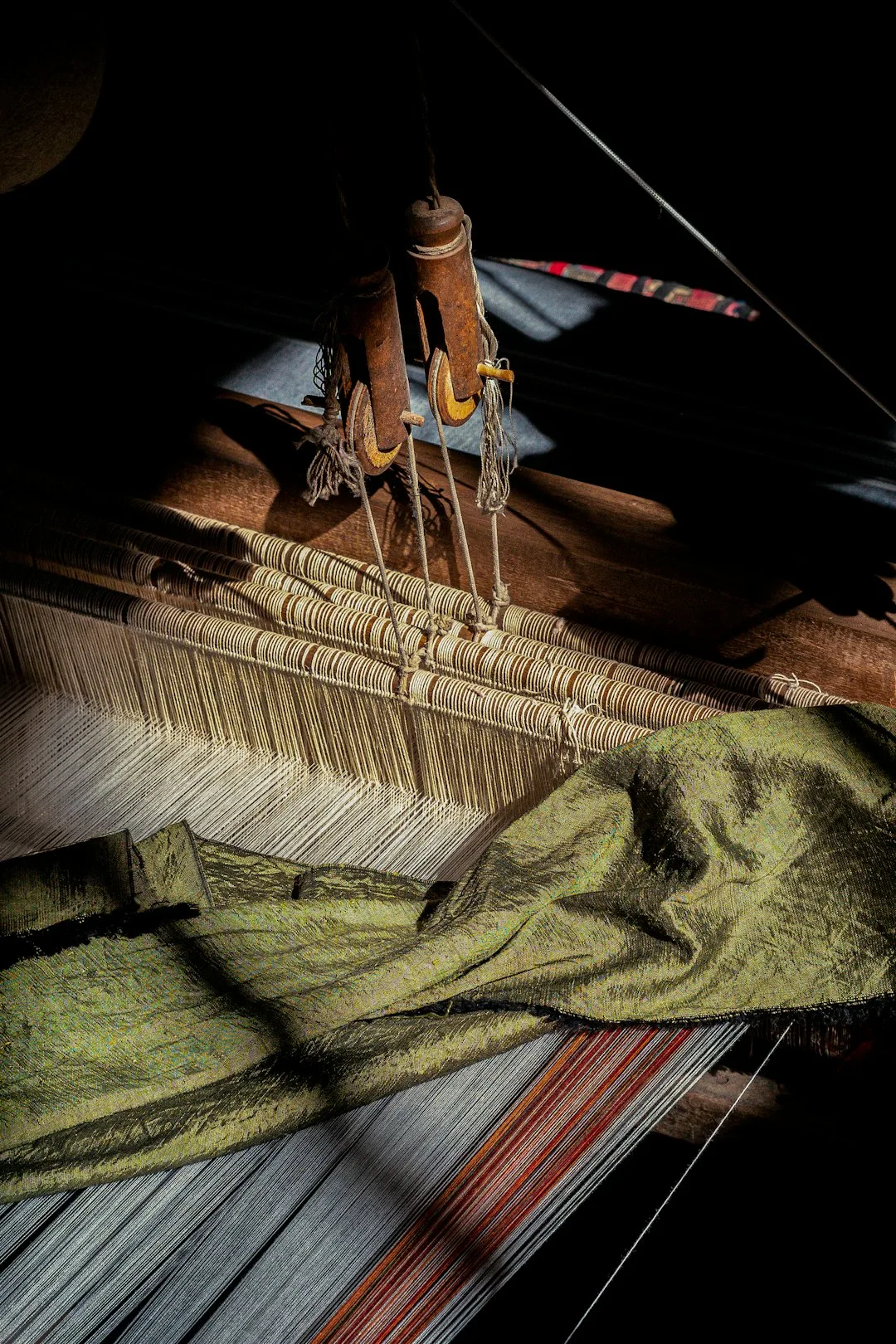
The art of creating floating patterns through supplementary weft, Jamdani is often called the ‘woven air’ for its ethereal quality.
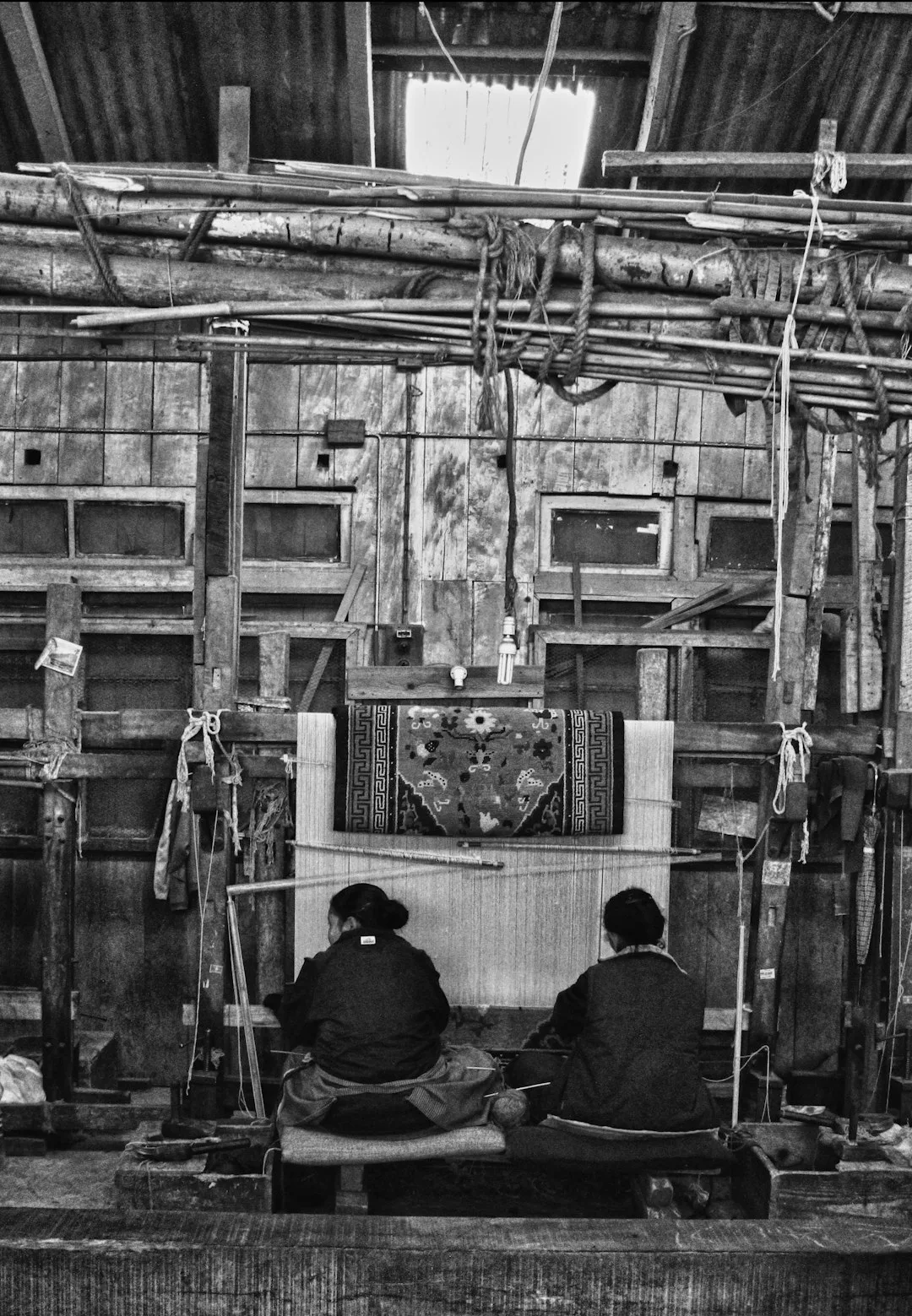
Jamdani is a time-honored weaving technique where additional weft threads are interlaced into the base fabric to create intricate patterns. Unlike brocade where patterns are woven into the entire fabric, Jamdani motifs appear to float on the surface. Each motif is individually woven by hand, requiring exceptional skill and patience. A single Jamdani saree can take anywhere from three to six months to complete. The technique dates back to the Mughal era and was once patronized by royalty. Today, master weavers in Bengal continue this tradition, preserving patterns and motifs that have been passed down through generations.

Timeline

3-6 months per saree

Artisans

Fourth-generation master weavers

Varanasi

Banarasi Brocade

The royal art of weaving silk with gold and silver threads, creating opulent fabrics fit for emperors.
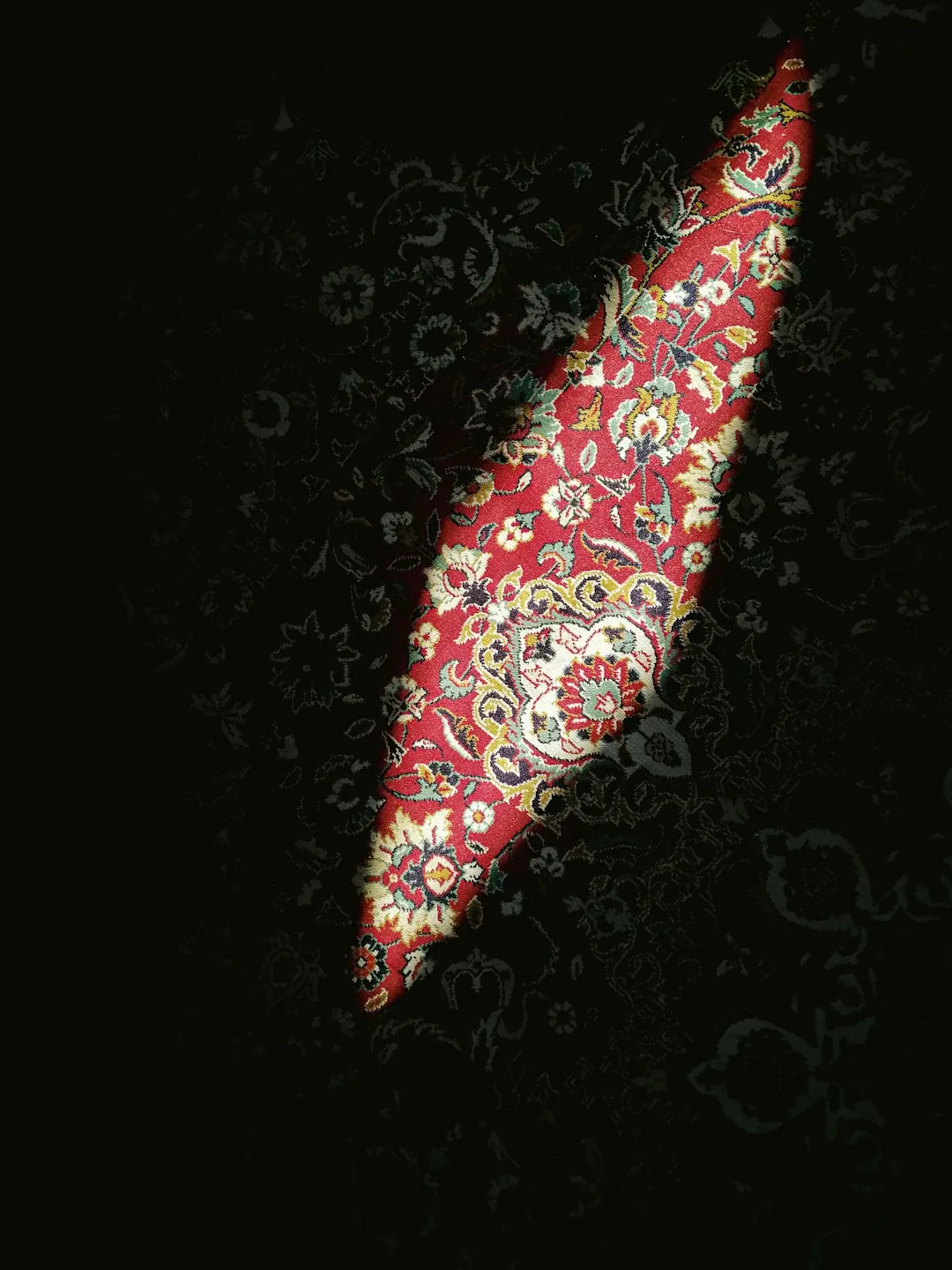
Banarasi brocade represents the pinnacle of Indian weaving artistry. Originating in the holy city of Varanasi, this technique involves weaving intricate designs using gold and silver zari threads. The kadwa technique, unique to Banarasi weaving, creates patterns by individually weaving each motif, making the fabric reversible and incredibly durable. The designs often feature Mughal-inspired florals, paisleys, and intricate butis. Traditional Banarasi sarees can take 4-8 months to weave, with some masterpieces requiring up to a year. The weaving families of Varanasi have preserved this craft for over 400 years, with designs and patterns recorded in ancient manuscripts.

Timeline

4-8 months per saree

Artisans

Hereditary weaving families

Bihar

Madhubani Hand Painting

Ancient folk art transformed into textile design, where every stroke tells a mythological story.
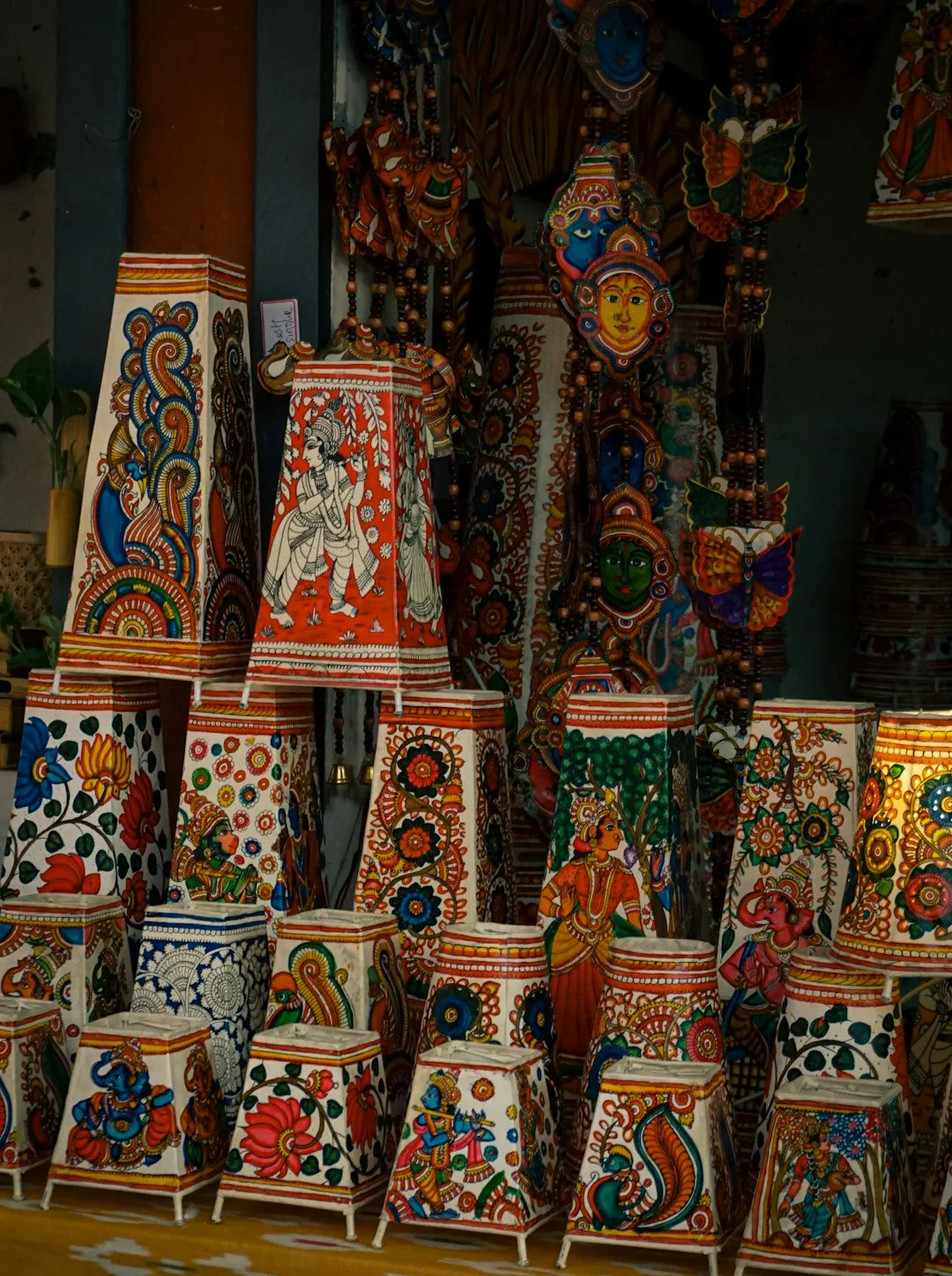
Madhubani, also known as Mithila painting, is a centuries-old art form from Bihar. Traditionally painted on walls during festivals and ceremonies, this art has been adapted to textiles with stunning results. Artists use natural dyes extracted from turmeric, indigo, flowers, and leaves, mixed with tree resin to create vibrant, long-lasting colors. The brushes are made from cotton wrapped around bamboo sticks, and even fingers are used for certain techniques. The paintings feature geometric patterns, floral motifs, and scenes from Hindu mythology, especially Krishna and Radha. Each saree takes 2-4 weeks to paint, with the artist first sketching the design in pencil before carefully filling in the colors.

Timeline

2-4 weeks per saree

Artisans

Traditional Mithila painters

Lucknow

Chikankari Embroidery

The delicate art of white-on-white embroidery, creating shadow and light through needle and thread.
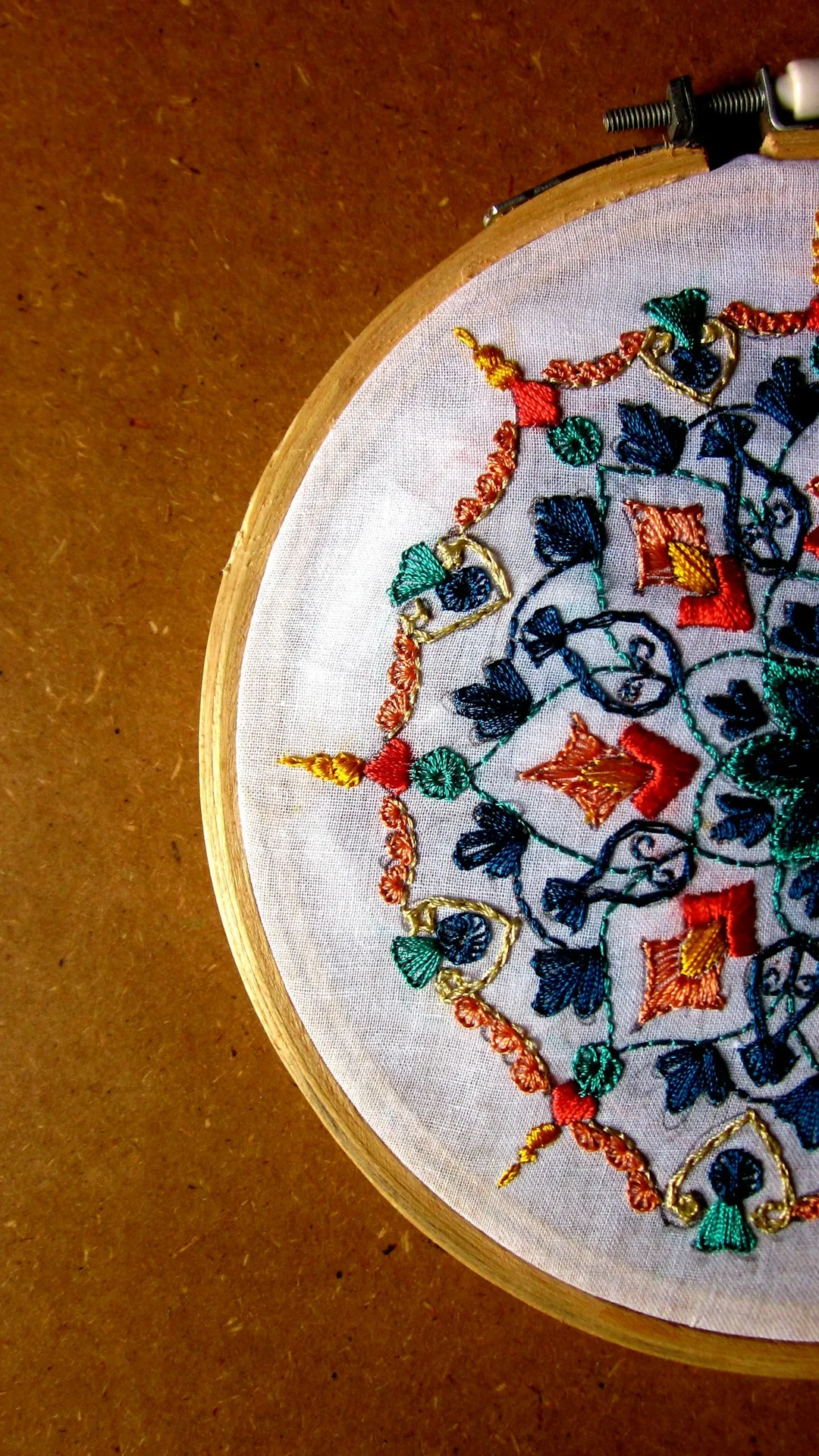
Chikankari is Lucknow’s most celebrated embroidery form, characterized by its delicate white threadwork on fine cotton and muslin. The technique involves over 40 different stitches, including shadow work, where stitches on the reverse create a subtle shadow on the front. The embroidery begins with a design block-printed in washable dye, which artisans then follow to create intricate floral and paisley patterns. Traditional Chikankari uses six basic stitches, each creating different effects – from flat satin stitches to raised patterns. A single saree can require 3-6 weeks of continuous embroidery, with some pieces featuring over 100,000 individual stitches.

Timeline

3-6 weeks per saree

Artisans

Lucknow Chikankari specialists

Pan-India

Natural Dyeing

The ancient science of extracting colors from nature – roots, flowers, leaves, and minerals.
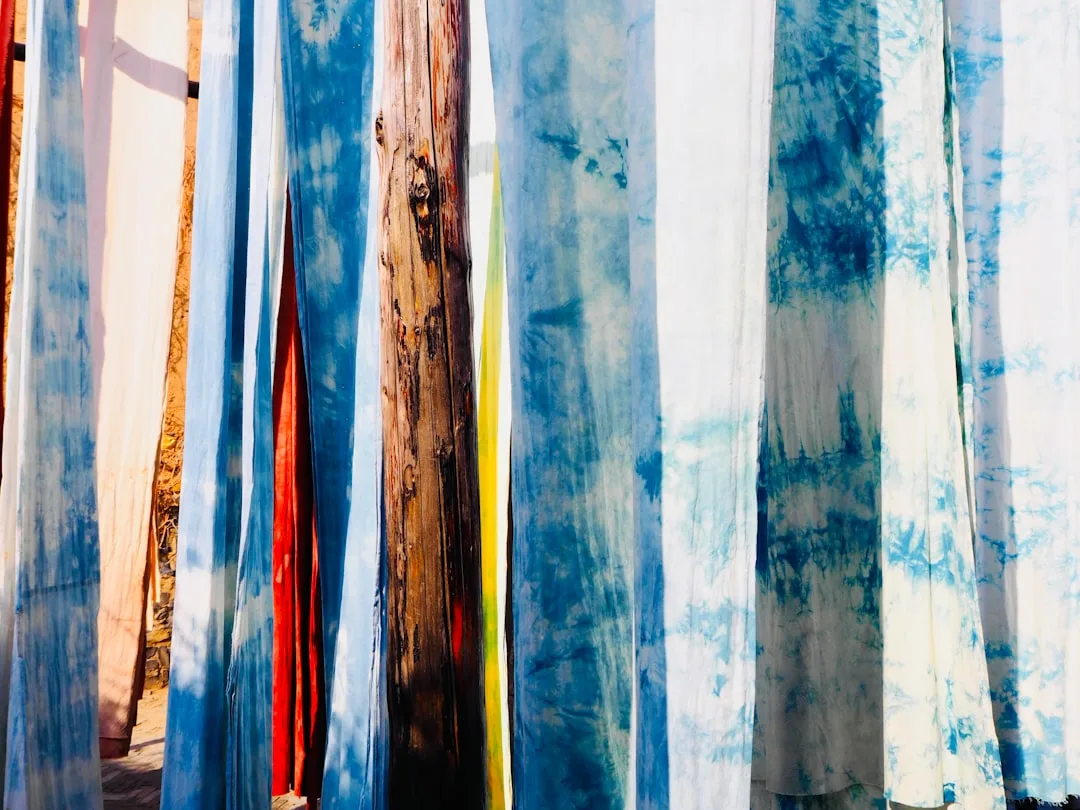
Natural dyeing is one of India’s oldest textile traditions, predating synthetic dyes by millennia. Artisans extract colors from plants, minerals, and even insects – indigo from the indigofera plant, red from madder roots, yellow from turmeric and pomegranate, blue from indigo, and brown from tea and iron. The process is complex, often requiring mordants (fixatives) like alum or iron to help colors bond to fabric. Some dyes require the fabric to be dipped multiple times over weeks to achieve the desired depth of color. Indigo dyeing, for instance, involves fermenting indigo leaves to create a dye vat, then repeatedly dipping the fabric, with the color developing as it oxidizes in air. These natural dyes not only create beautiful, earthy tones but are also eco-friendly and often have antibacterial properties.

Timeline

2-3 weeks including mordanting

Artisans

Natural dye specialists

Bengal & Bangladesh

Kantha Embroidery

The running stitch that tells stories, transforming simple fabric into narrative art.
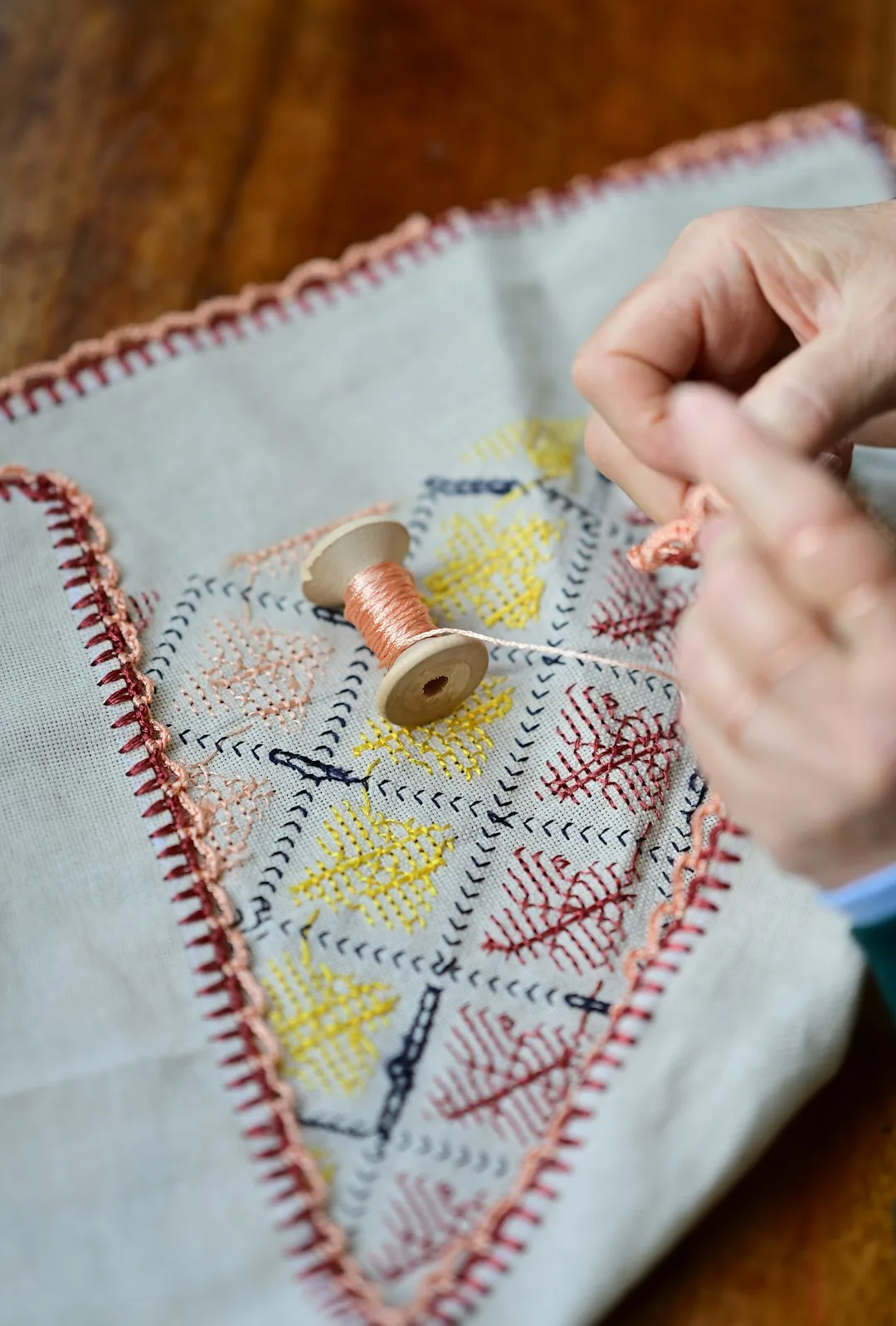
Kantha is the traditional art of running stitch embroidery, historically used to recycle old saris by layering them and stitching them together with simple running stitches. The word ‘kantha’ means ‘rags’ in Sanskrit, though the art form has evolved far beyond its humble origins. Kantha embroidery uses simple running stitches to create rippling, wave-like patterns that can depict everything from geometric designs to elaborate scenes of daily life. The stitches create beautiful texture and dimension, with the thread color often contrasting with the base fabric. Modern Kantha on sarees involves intricate patterns that can take 4-8 weeks to complete, with thousands of tiny stitches creating visual poetry.

Timeline

4-8 weeks per saree

Artisans

Bengal Kantha artists

Rajasthan & Gujarat

Block Printing

Hand-carved wooden blocks meet fabric, creating patterns that have endured for centuries
Block printing is one of the oldest textile printing methods, with evidence dating back 5,000 years. Artisans hand-carve intricate designs into wooden blocks, often using teak or sheesham wood. Each color in a design requires a separate block, and the registration (alignment) must be perfect. Traditional blocks can be over 100 years old, passed down through families. The printer dips the block in natural dye and stamps it onto fabric with precise pressure and rhythm. Techniques like Bagh print from Madhya Pradesh and Sanganeri print from Rajasthan each have their distinctive styles. A single saree might require 15-20 different blocks and multiple dye baths, taking 2-3 weeks to complete.

Timeline

2-3 weeks per saree

Artisans

Block printing families

Preserving Endangered Crafts

Many of these traditional techniques are at risk of extinction as younger generations move to cities seeking different opportunities. By choosing handloom, you directly support artisan families and help preserve these irreplaceable cultural treasures for future generations.
Of techniques passed orally through families
0 %
Artisan families we partner with
0 +
States represented in our collection
0
Shop
Search
Account
0 Wishlist
0 Cart
Shopping Cart

Your cart is empty

You may check out all the available products and buy some in the shop

Return to shop